
Grow the people running your AI agents.
Adopting AI is a question about people before it is a question about tools. This is a registered apprenticeship. Somebody learns to build and run AI solutions on your real client work, with a mentor beside them. They move on when they can show they can do the job, not when the calendar says so.

AI is taking the work juniors used to learn on
The tasks a new hire cut their teeth on are the first ones being automated. That is fine for this quarter and a problem for the next decade, because nobody becomes senior without doing junior work first. If the bottom rung is gone, the ladder is gone. An apprenticeship puts the rung back somewhere else. The apprentice is not competing with an agent to write the first draft. They are learning to direct one, check it, and answer for what it did. That is the job now, and almost nobody is being formally trained to do it.

If you are the apprentice
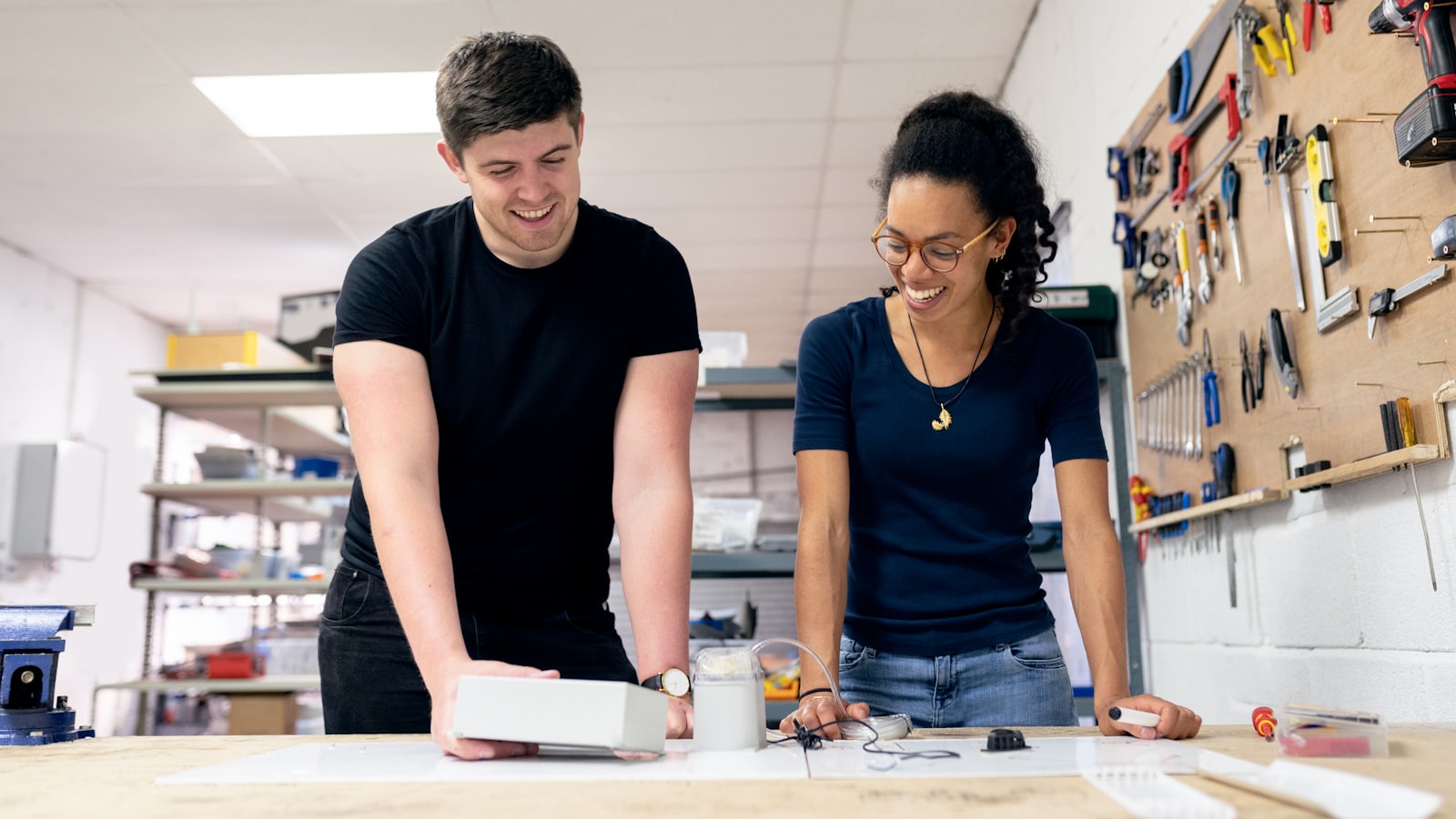
You are paid to do real work from the first week, on real client projects. A mentor sits beside you, rather than a course you watch alone.
- You advance by demonstrating a skill and having it signed off, not by sitting out a set number of months.
- Your wage steps up as your competencies are signed off.
- You finish with a nationally registered credential in an occupation that did not exist five years ago, which belongs to you and travels with you.
- The work you did is on the record with your name on it: a portfolio you did not have to assemble afterward.

If you are the employer
You get people who can run AI agents safely, trained on your own work rather than on somebody's generic curriculum.
- They learn on the same platform your team already uses, so nothing has to be re-learned on the job.
- Their hours and their mentor's sign-offs land on the same record as the work, so the reporting is a byproduct rather than an administrative job.
- TEKIMAX is the registered sponsor and carries the registration burden. You provide the work and the mentor.
- You are training the person who will be accountable for your AI, not just hiring someone who can prompt.

You move on by what you can do, not by the calendar
The program is registered with a national apprenticeship register. An apprentice advances by showing they can do the thing, with a mentor signing it off, rather than by serving a set number of months. Classroom instruction and hours on the job are counted separately, because the registration requires it.
Enroll an apprentice in one step
Enrolling somebody puts them on a project, under a mentor, in a cohort, in one step. The course material is ours and licensed, not published, so an apprentice reaches only what their enrollment opens to them.
- The curriculum version is pinned at enrollment. A later release never rewrites what somebody was already taught.
- An apprentice sees only what is theirs or shared with them.
Hours on the record, by kind
The platform already keeps on-the-job hours and instruction hours apart, each approved by somebody other than the person who logged them. That is what the apprenticeship reporting is built on: a person wrote the hours down, a reviewer approved them, and nothing is estimated.

Ask about hosting an apprentice, or enrolling your first one.
Also in AI management system
- Agent runsGive an agent a job, then read back every step of it.Read the page
- SandboxA machine of its own per session, and your keys stay out of it.Read the page
- Command lineThe terminal your engineers already use, on your rules.Read the page
- MCP serverConnect any AI agent, and the rules come with it.Read the page
- SDK and APIOne typed client for the whole platform, given to your team.Read the page